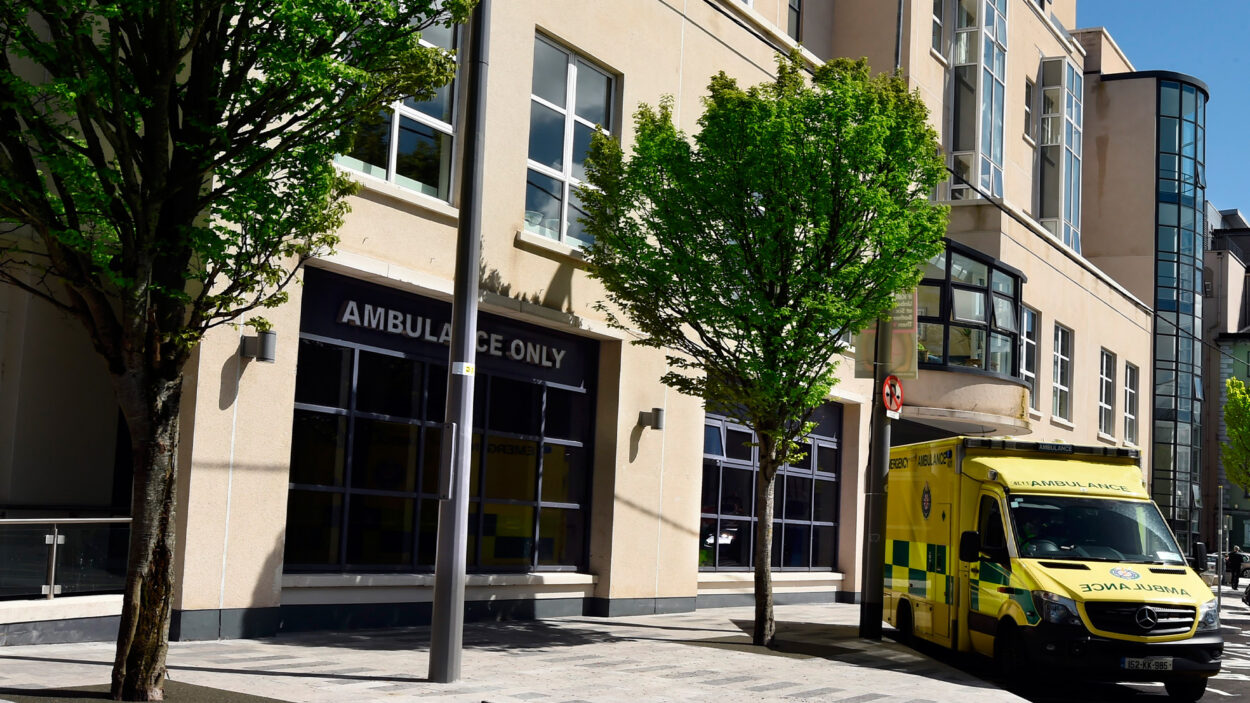
The Emergency Department (ED) at Mercy University Hospital is open 24 hours a day, 365 days a year.
Mercy University Hospital is an adult emergency department which provides emergency care for adults aged 16 years and over.
The Emergency Department (ED) at Mercy University Hospital is open 24 hours a day, 365 days a year.
Mercy University Hospital is an adult emergency department which provides emergency care for adults aged 16 years and over.
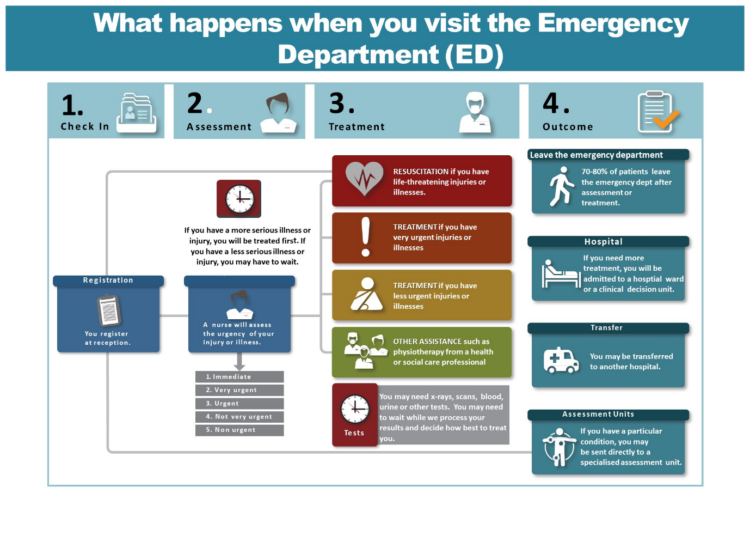
When you arrive at the ED reception you will be guided through a registration process during which your details (name, date of birth, address, phone number) will be recorded. It is extremely important that we have correct, up to date contact details for you and your named contact person. If you have a GP referral letter, please present it at this stage.
You will be assessed by a nurse after you arrive at the Emergency Department. This assessment is called triage. It is a system used to make sure we take care of the sickest patients first. The triage nurse is trained to find out what is wrong with you. They will prioritise you based on your condition. But if anything changes or you begin to feel worse, let them know straight away.
70% of patients will be discharged following treatment in the ED. If you require admission, you will be referred to one of the inpatient teams for assessment. If admitted, you will be transferred to a ward as soon as a bed on the appropriate ward is available.
If you do not need to be admitted to hospital, we will organise any follow-up appointments. These could be with your GP, a specialist doctor or nurse, our Outpatient Department or another hospital.
When we have a lot of people needing care, we need to ask people to wait. The people most in need of help will be seen first. When you will be seen depends on how serious your injury or illness is and how busy the department is.
If you require medical attention but your condition is not an emergency, please first seek the advice of your general practitioner (GP). Non-emergency problems may include coughs, sore throats, flu symptoms, diarrhoea, vomiting and earaches.
Emergency Departments (EDs) deal with life-threatening emergencies. For example, if someone is:
Pharmacists can advise and treat a range of symptoms. This can avoid unnecessary trips to your GP or Emergency Department.
GPs have an excellent understanding of general health issues and can deal with a whole range of health problems.
Injury units treat injuries that are not life-threatening, like broken bones, dislocations or minor burns.
EDs and 112 / 999 deal with life-threatening emergencies. The ED treats adults and patients aged 16 and over.
For information related to patient charges click here.
The Emergency Department team is a multidisciplinary team consisting of; consultants, non-consultant hospital doctors (NCHDs), healthcare assistants, nursing staff, administration staff and advanced nurse practitioners who provide care for approximately 50,000 patients each year.
Patients under 16 years of age should attend the Cork University Hospital Emergency Department.
Cork University Hospital, Wilton Road, Wilton, Cork, T12 DC4A
Phone 021 492 0200
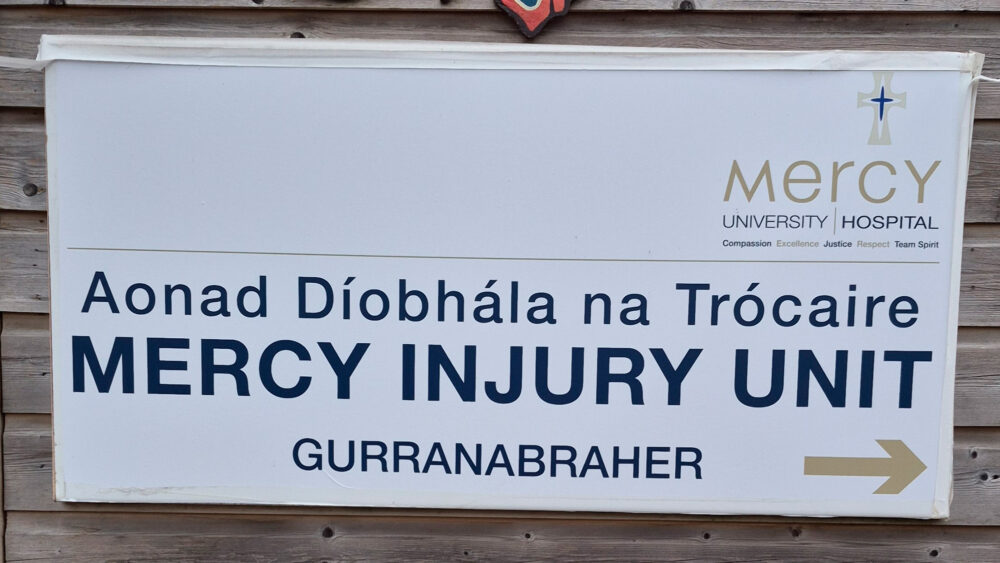
For minor injuries please attend the Mercy Injury Unit. Injury Units can provide care and treatment for non-life-threatening injuries and conditions such as minor wounds,…